








How to ‘Gram your Food: 10 Steps to Food Porn
There’s no doubt that Instagram is Emperor when it comes to #foodporn. The trend of sharing food photos is so formidable that Instagrammable restaurants can leverage their new persona to leave their competitors wondering what just happened!
The great news for any restaurant owner is that, in today’s high tech world, everyone possesses a smart phone, including you!
What’s the cleverest way to show the best side of your food and entice those increasingly elusive millennials to stop by?
There are right ways (and very ugly, fuzzy wrong ways) to showcase your delectable bites on IG at no cost.
1. Remove the clutter!
We like your friends a lot, but they’re not the focus here. Neither are your keys, wallet, half a warm beer…you get the drift. Try moving all distractions away from the dish to let it do what it does best – look hot (or cold)!
c/o The Next Idea International

2. Cue the (natural) lights
No flashers allowed! Opt for natural light when possible. Your next best bet is to enlist a friend to use their camera light, or to position a candle nearby. Flash generally doesn’t provide your camera phone with the right amount of time to focus and capture the best image. Turn the flash off and keep it off.
c/o @worldveganfood

3. Angles: Focus on your dish’s good side
While that ¾ up selfie shot may work for you on a night out, your food doesn’t like it that much. Shoot from the top down. If that’s not doing it for you, shoot from the side.
c/o The Next Idea International

4. It’s ok to cheat (with other apps)
It’s hard to look great, so why not give your plate a boost? Yes, Instagram comes with filters and editing tools, but that’s not the main focus of the app. Take your editing elsewhere with apps like Adobe Lightroom for quick fixes, Adobe Photoshop Fix or Snapseed for fine-tuned edits, and Facetune to take your food’s look to the next level.

5. Be inspired
Develop a style. What makes @YourIG special and different from other foodie accounts? If you need a little help, try checking out #foodporn for inspo.
c/o @frasave_ c/o @davidwma

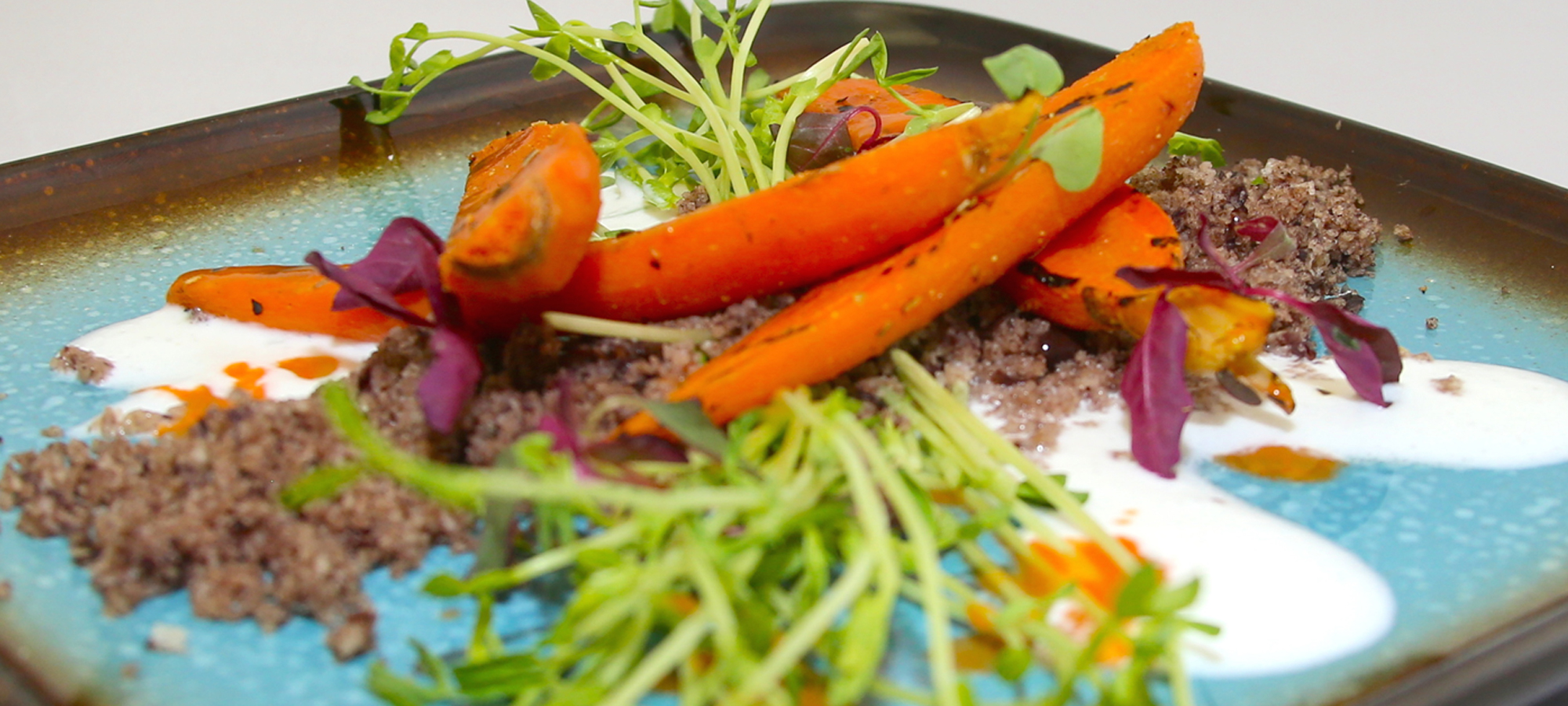
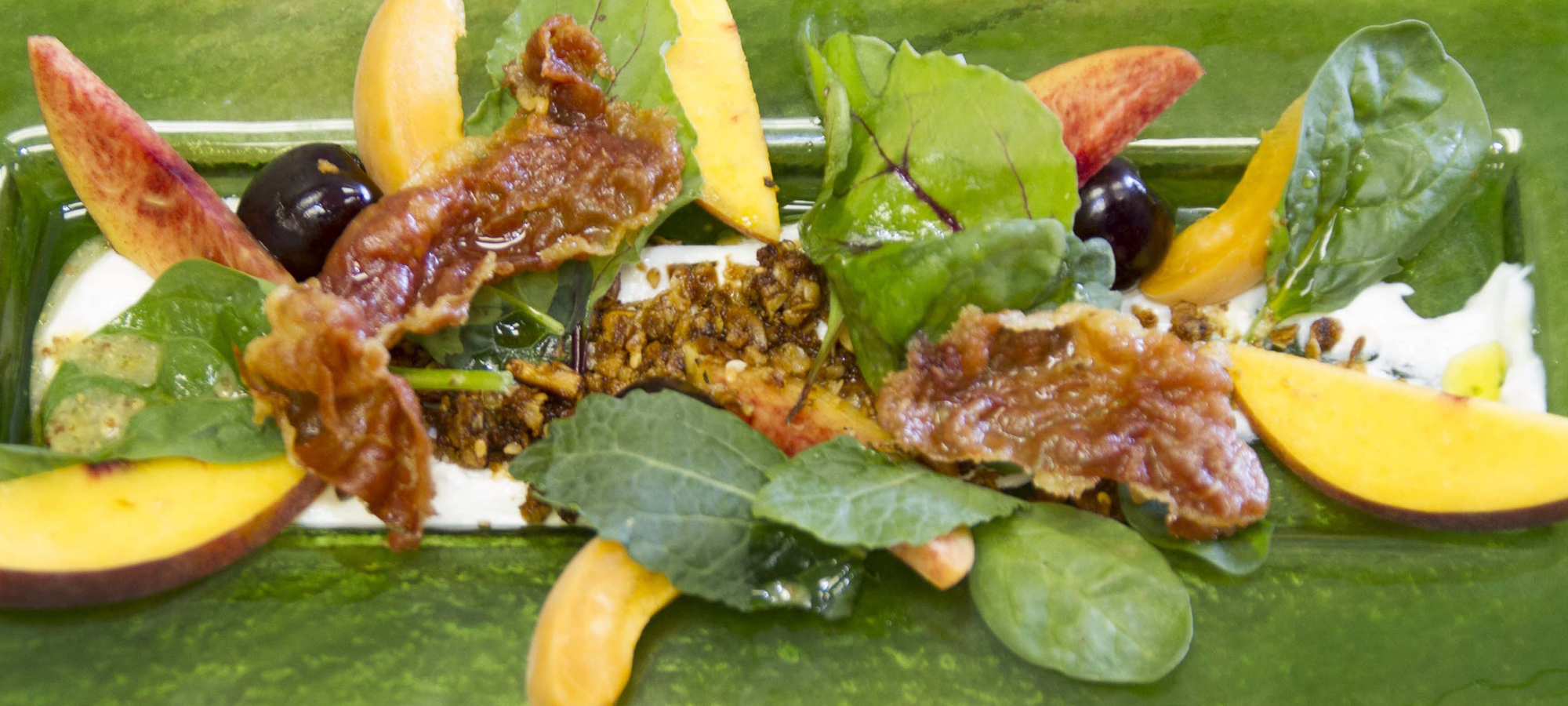
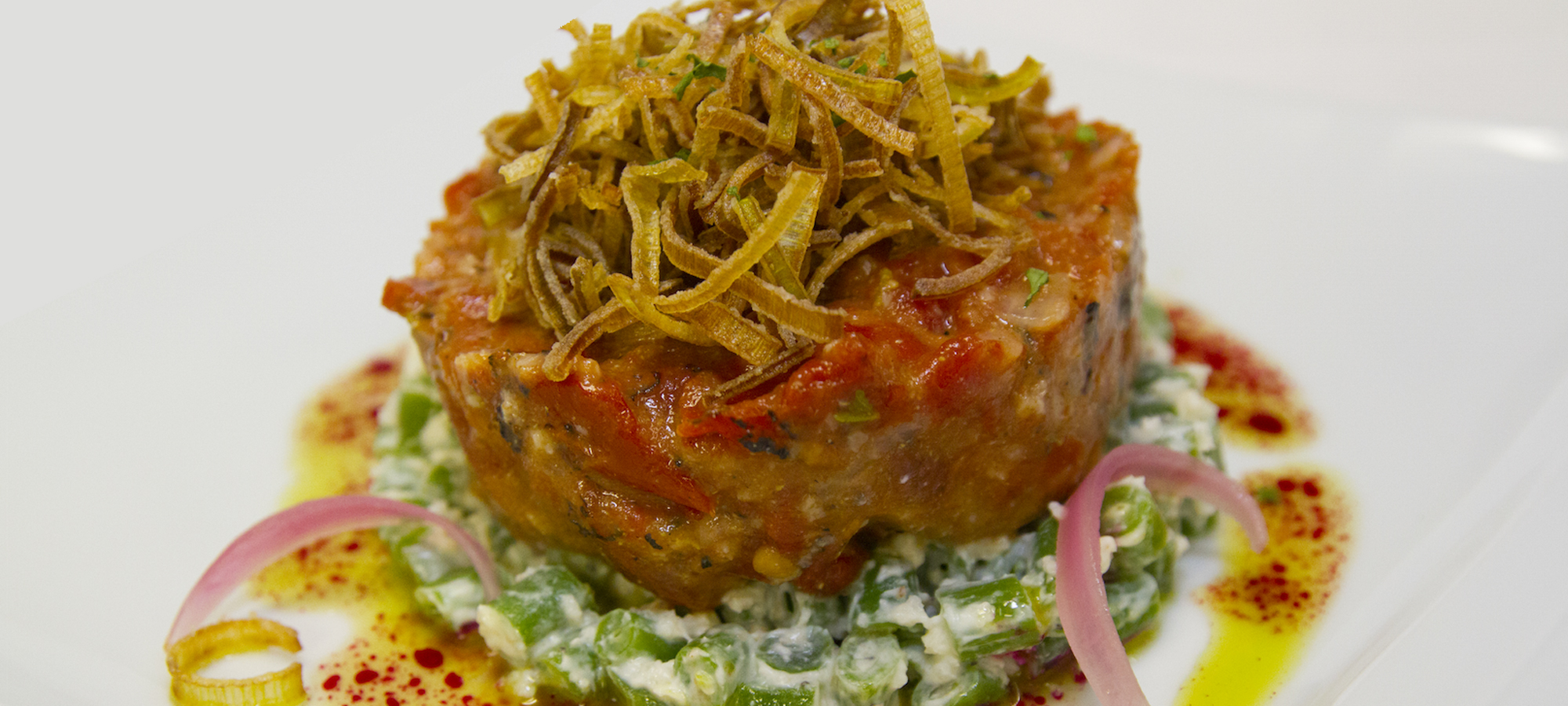
6. Go for colors!
While there are plenty of examples of IG-worthy food that isn’t colorful, adding color to dishes is one way to stand out. Adding a pop of color attracts attention, and when done well, lots o’ likes!
c/o The Next Idea International

7. Focus first
Tell your camera what to focus on – you’re in charge. Be creative! Focus on one part of the dish, encompass the full dish, or put something in the foreground and focus to the back of the photo with your dish.
c/o The Next Idea International

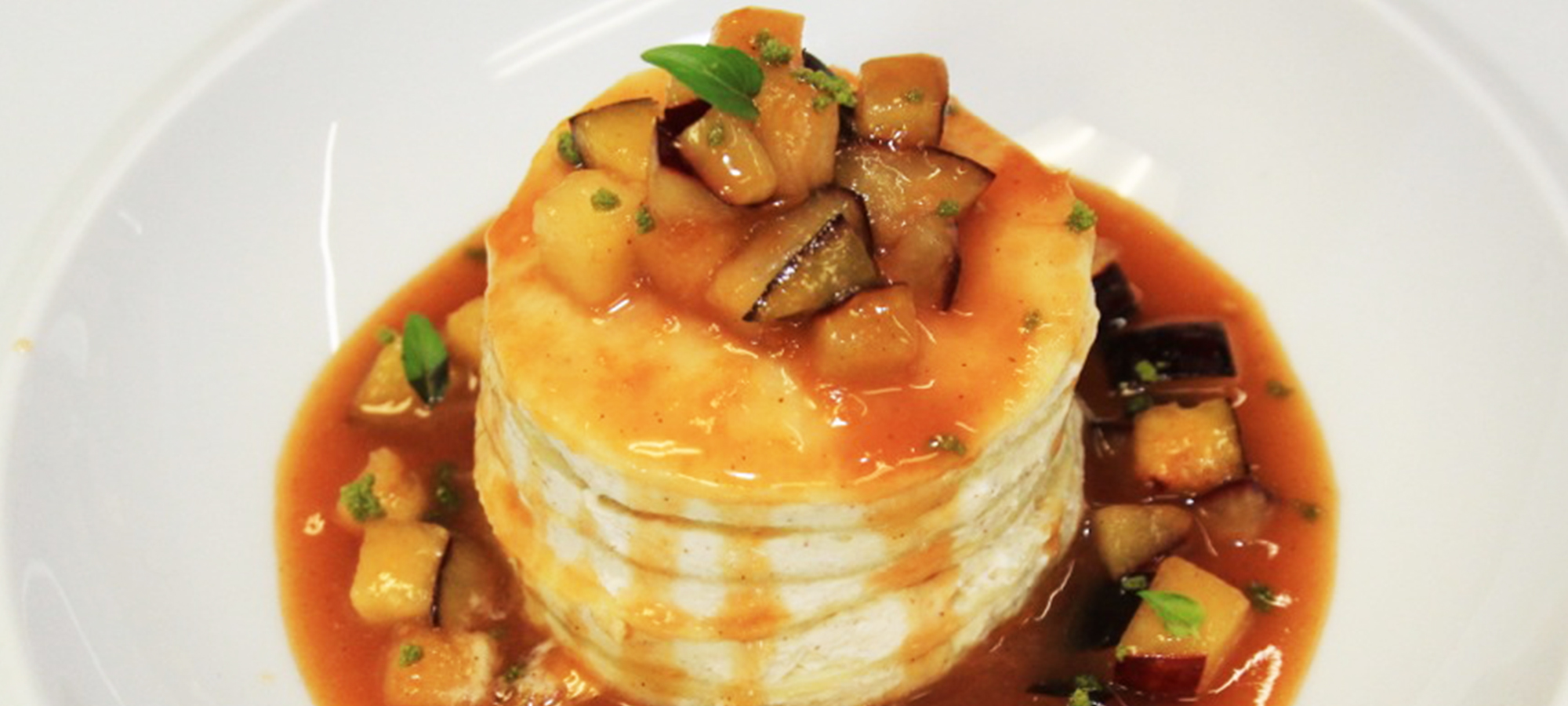
8. Delectable dishware is all the rage
Sometimes, the plates, cups, utensils etc. are just as exciting as the dish itself! Brighten up dull plates with funky patterned plates, colored glasses, and one-of-a-kind looking utensils.
c/o @anna__devito

9. Be a tease
Don’t show it all off, honey! Keeping the viewer guessing is just as exciting as centering your main dish. The best way to capture a large and interesting spread is to focus on one or 2 dishes, with the rest artfully cut out of the photos.
c/o @noodleworship

10. Put a “cherry” on top
Don’t forget about your caption! A great caption is the cherry on top of your tasty post.

Article by Thelma Weaver, Restaurant Marketing Consultant with The Next Idea
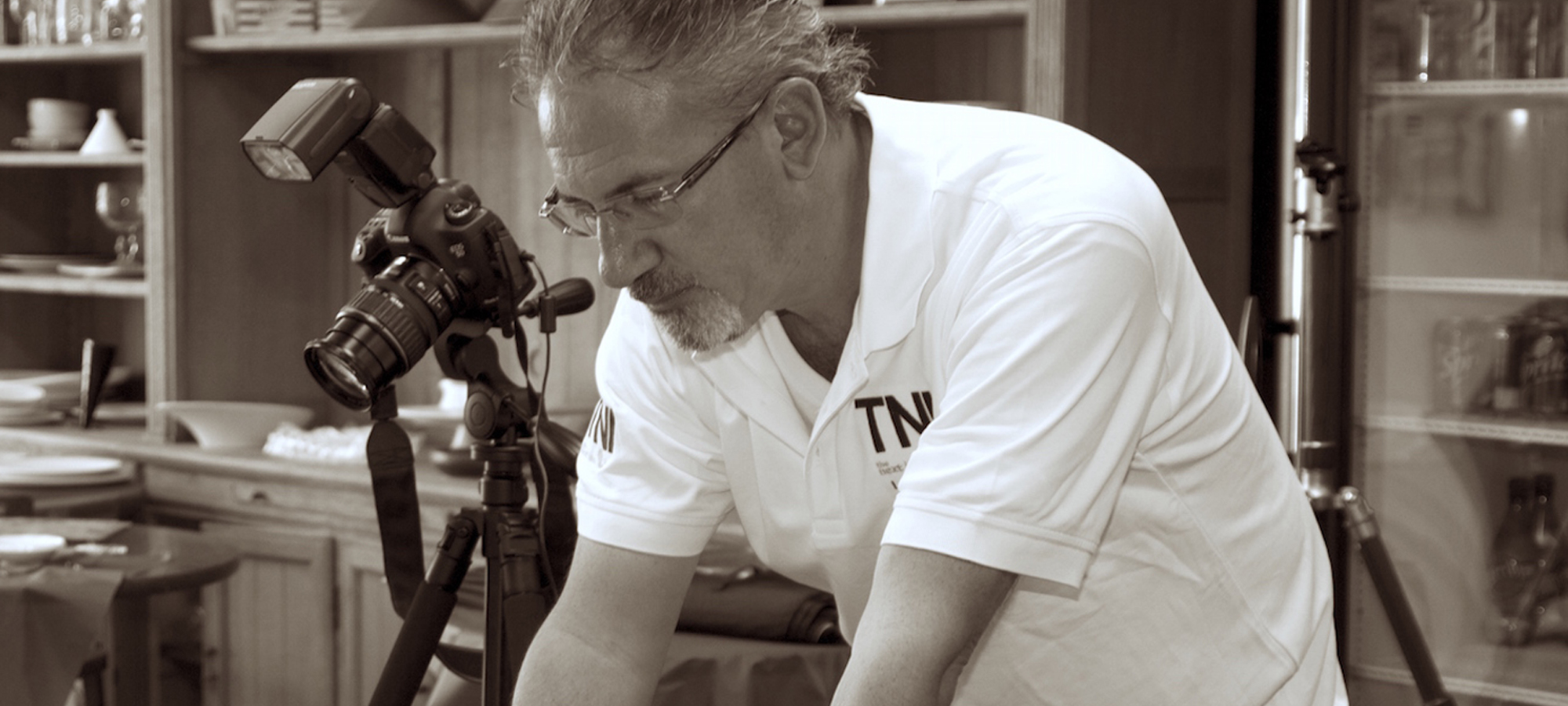
Editor and Partial Photography by Robert Ancill, CEO, The Next Idea
KPIs That Actually Matter
KPIs That Actually Matter
A Modern Performance Framework for Scalable, Investable Restaurant Brands
By Robert Ancill
The Next Idea – Restaurant Consultants (TNI)
 Why Restaurants No Longer Fail Quietly
Restaurants don’t collapse overnight anymore. They erode. Margins thin. Labor churns. Guests still come, but they spend less, complain more, forgive less, and quietly disengage. By the time the P&L reflects the damage, the brand is already behind the curve.
For investors, franchisors, and multi-site operators, this presents a clear truth:
The greatest risk in hospitality is not cost, it is delayed awareness.
Key Performance Indicators (KPIs), when used properly, are not reporting tools. They are early-warning systems. But only if they evolve beyond basic cost control and start measuring guest tolerance, relevance, and future readiness.
This article outlines a modern KPI framework produced by The Next Idea (TNI) to help restaurant brands scale profitably, protect relevance, and make decisions with confidence.
 The KPI Problem No One Talks About
Most restaurant groups already track KPIs. The problem isn’t absence of data, it’s misplaced focus.
Traditional KPIs answer questions like:
- Are Labor costs under control?
- Is food cost on target?
- Are sales up or down?
Modern operators need answers to far more dangerous questions:
- How much price pressure will guests tolerate beforedemand drops?
- Are we still culturally relevant to our core audience?
- Which parts of the experience are silently eroding loyalty?
- Is growth masking structural weakness?
At TNI, we see the same pattern repeatedly:
Operators manage efficiency. Investors need predictability. Franchisors need repeatability.
KPIs must serve all three.
The Four Pillars of Modern Restaurant Performance
TNI structures KPIs across four interconnected pillars:
People – Labor, leadership, and culture stability
Product – Menu, margin, and kitchen discipline
Place – Flow, conversion, and revenue efficiency
Perception – Guest tolerance, brand relevance, and trend alignment
Together, these pillars move KPIs from historical reporting to strategic foresight.
1. PEOPLE PERFORMANCE
Labor as a Value Engine, Not Just a Cost Line
Labor remains the largest controllable expense in hospitality, but also the most misunderstood. Investors often focus on wage percentages without recognizing that instability is more expensive than pay rates.
Core KPIs
- Wage Cost %
- Total Labor Cost % (true Labor cost)
- Labor Hours vs Sales
- Staff Turnover Rate
- Average Employment Tenure
- Sick Leave Incidence
- Average Hourly Rate
Segment Benchmarks (Indicative)
| Segment | Wage Cost % | Total Labor % | Annual Turnover |
| QSR | 22–28% | 25–32% | 80–120% |
| Casual Dining | 28–35% | 32–40% | 60–90% |
| Premium | 35–45% | 40–55% | 40–70% |
Investor Insight:
High turnover is not a labor problem, it is a systems and leadership risk that erodes consistency, brand trust, and unit economics.
2. PRODUCT PERFORMANCE
Margin Is Designed, Not Negotiated
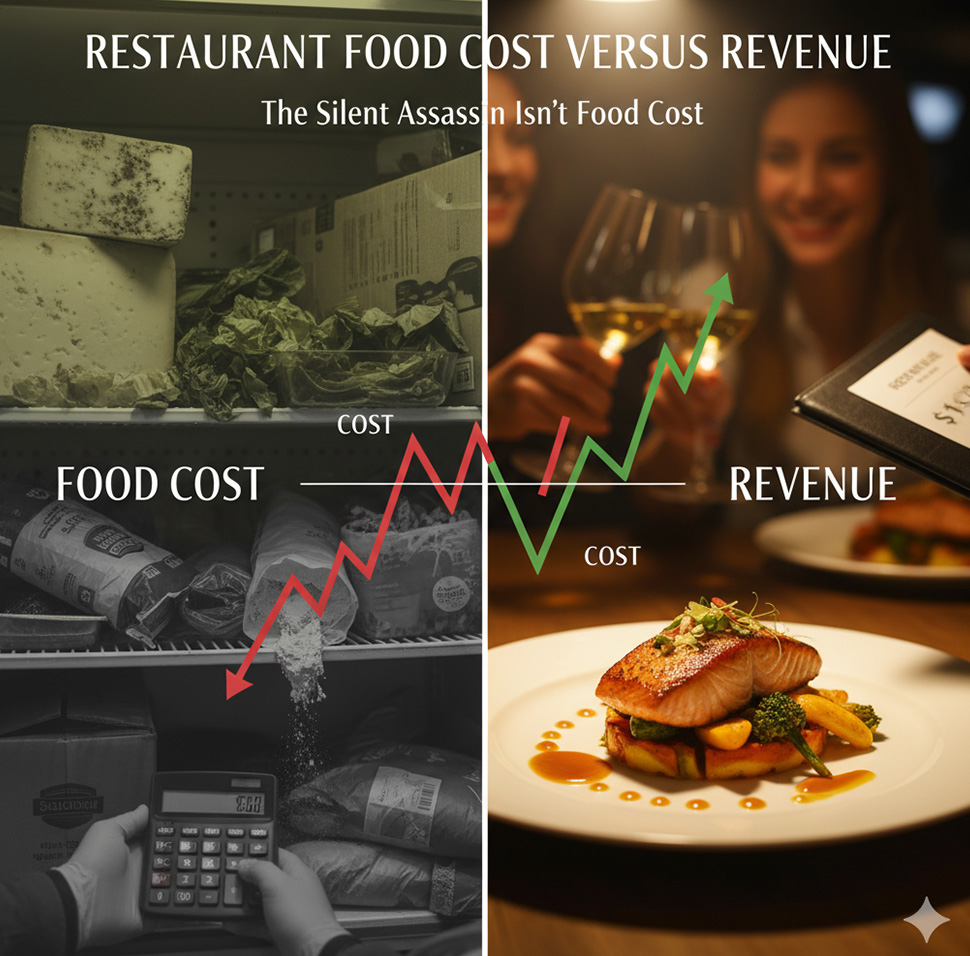
Menu profitability does not happen by accident. It is the result of disciplined inventory management, menu engineering, and variance control.
Many concepts fail while “busy” because sales volume masks margin leakage.
Core KPIs
- Cost of Goods Sold (COGS %)
- Theoretical vs Actual COGS Variance
- Food Cost per Guest
- Menu Contribution Margin
- Kitchen Labor % (against food sales only)
- Stock on Hand (Days)
Segment Benchmarks (Indicative)
| Segment | Food COGS % | Beverage GP % | Stock Holding |
| QSR | 25–30% | 65–75% | 3–5 days |
| Casual Dining | 28–33% | 68–78% | 5–7 days |
| Premium | 30–38% | 70–82% | 7–10 days |
Investor Insight:
Popularity is not profitability. The most dangerous menu items are best-sellers with poor contribution margins.
 3. PLACE PERFORMANCE
Revenue Is a Function of Flow
Revenue growth is rarely limited by demand alone. It is constrained by:
- Seating efficiency
- Table turn times
- Attachment rates
- Conversion leakage
This is where strong concepts outperform average ones, even in the same location.
Core KPIs
- Average Spend per Head (ASPH)
- Covers & Repeat Visitation
- Sales Mix per Head
- Seating Efficiency
- RevPASH (Revenue per Available Seat Hour)
- Bounce Rate
- Basket Analysis
Segment Benchmarks (Indicative)
| Segment | ASPH (Relative) | RevPASH Focus |
| QSR | Low–Mid | Throughput |
| Casual Dining | Mid | Turn + Attach |
| Premium | High | Yield per Seat |
Investor Insight:
RevPASH exposes whether growth is driven by pricing power, flow discipline, or operational luck.
4. PERCEPTION PERFORMANCE
The KPIs That Predict Decline, or Defend Value
This is where most restaurant groups under-measure, and over-estimate safety.
TNI Customer Tolerance Index (CTI)
CTI measures how much operational or pricing friction guests will tolerate before reducing frequency, spend, or advocacy.
It assesses tolerance for:
- Price increases
- Waiting times
- Reduced service levels
- Menu simplification
- Experience inconsistencies
Why it matters:
Two brands can raise prices. Only one retains demand. CTI explains why.
TNI Trend Mapping Score
Trend Mapping tracks how well a concept aligns with:
- Current consumer behavior
- Cultural and generational shifts
- Competitive movement
This is not about chasing trends. It is about avoiding irrelevance.
TNI Trend Audit Rating
A structured audit assessing:
- Concept freshness
- Menu relevance
- Brand clarity
- Market differentiation
Investor Insight:
Most restaurant failures are relevance failures, not operational ones.
KPI TRUTH FOR INVESTORS & FRANCHISORS
KPIs do not create value.
Early decisions do.
The role of KPIs is to:
- Reduce blind spots
- Improve forecast accuracy
- Protect brand equity
- Enable scalable replication
At TNI, KPIs are not dashboards. They are risk-management tools for growth capital.
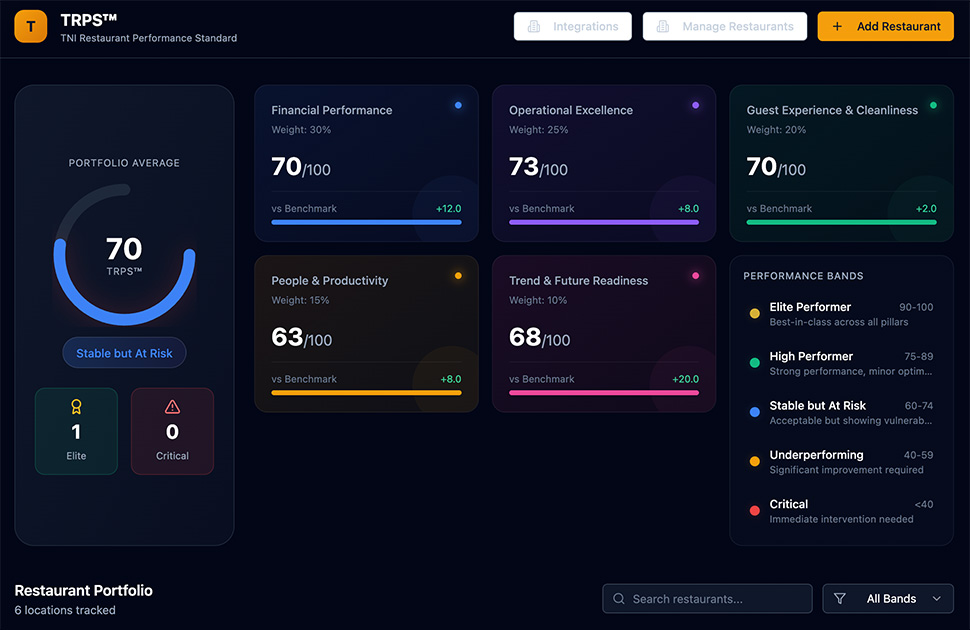
THE TNI KPI DASHBOARD (EXECUTIVE VIEW)
Weekly:
Labor %, COGS %, RevPASH, Sales Mix
Monthly:
Variance analysis, staff turnover, ASPH, CTI movement
Quarterly:
Trend Mapping Score, Trend Audit Rating, Brand relevance review
 Final Thought
The restaurants that survive the next decade will not be the cheapest, the busiest, or the loudest. They will be the ones that measure what matters before it becomes obvious. That is the difference between operating restaurants, and building investable brands.
2015 TNI’s Food Forecast: The Consumer is now in charge of your brand
Author: Robert Ancill
Keywords: Restaurant Consultants, Food Trend Forecast
Mahatma Ghandi said, “You must be the change you want to see in the world”, and in 2014, it just seemed that Americans finally took notice of his advice. A year where virtually all food trends were health-based; the themes of honesty, transparency and wellness that have acutely manifested since the recession, have now become steamroller trends that will unquestionably maintain velocity over the coming years. Read More
9 Ideas for a More Successful Restaurant Web Site
Author: Robert Ancill
Keywords: Restaurant Consultants, restaurant websites, online restaurant marketing
According to The Next Idea Restaurant Consultants; what consumers want from a restaurant web site may differ from what you think.
At the top of the list was “current menus with up-to-date prices” – no surprises there. But also of high interest were: descriptions of dress codes, driving instructions, hours of operation, and information regarding special needs. For example, is the site wheelchair-accessible? And are large-type menus available? Read More
The Next Idea’s 2011 Food Forecast
Catering to the Consumer Mindset: Empowerment, Alternatives, and a Search for Balance
Amidst a mood of cautious optimism, The Next Idea releases its annual report on global hospitality trends. For 2011, the prevailing message reflects a melding of increased consumer intelligence, expanded empowerment and alternatives, and a demand for a balance between cost and quality.
Simply put, in a post-recession restaurant marketplace, consumers are increasingly calling the shots. Read More